
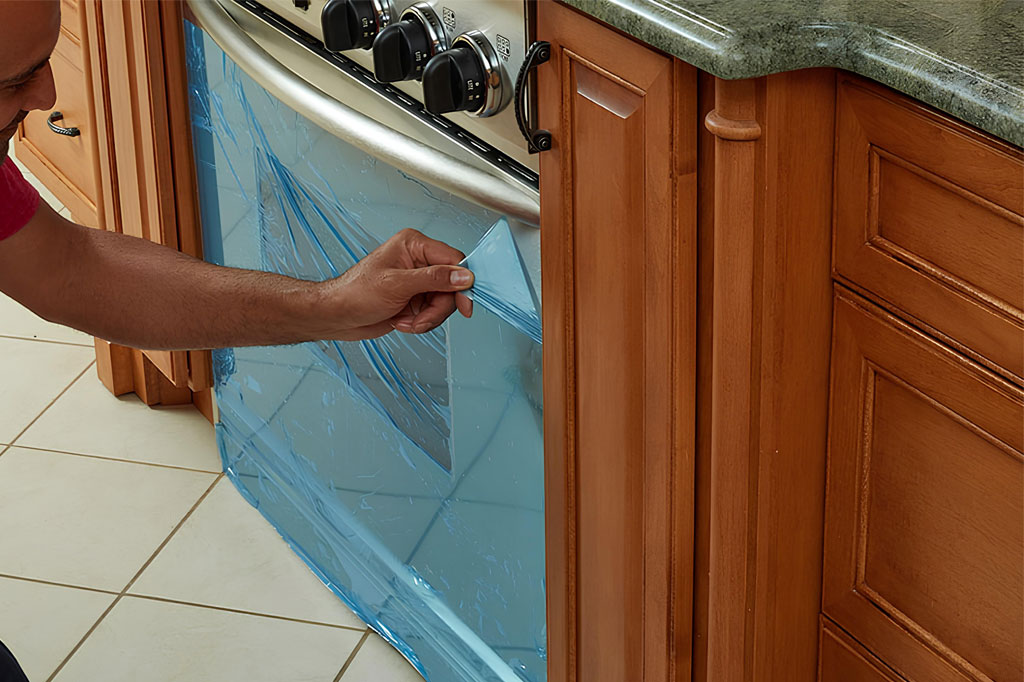
Modern home renovations are no longer just about upgrading aesthetics—they are complex, multi-stage processes involving various trades, materials, and precision finishes.
From high-gloss cabinets and stainless steel appliances to glass panels and engineered flooring, today’s interiors demand a higher level of surface protection throughout construction.
This is where temporary protective films play a critical role.
1. Preventing Surface Damage During Construction
Renovation sites are high-risk environments for surface damage. Tools, debris, foot traffic, and accidental impacts can easily scratch, dent, or stain finished materials. Temporary protective films act as a barrier layer, shielding surfaces such as:
- Hardwood and laminate flooring
- Kitchen countertops (quartz, marble, granite)
- Glass doors and windows
- Stainless steel appliances
- Painted walls and decorative panels
By applying protective films early in the renovation process, homeowners and contractors can significantly reduce the risk of costly damage and rework.
2. Maintaining Aesthetic Quality
Modern home design often emphasizes flawless finishes—mirror-like surfaces, matte coatings, and delicate textures. Even minor scratches or contamination can compromise the final visual effect.
Protective films preserve the original condition of surfaces by preventing:
- Micro-scratches from dust and particles
- Adhesive contamination from tapes or labels
- Paint splashes, sealants, and chemical residues
This ensures that all materials look pristine and “brand-new” upon project completion, which is especially important for high-end residential renovations.
3. Reducing Cleaning and Maintenance Effort
Renovation projects generate large amounts of dust, dirt, and debris. Without protection, these contaminants settle directly on surfaces, making cleaning time-consuming and sometimes ineffective.
Temporary protective films simplify post-renovation cleanup by:
- Acting as a disposable layer that traps dust and debris
- Preventing deep contamination of porous or textured materials
- Reducing the need for aggressive cleaning chemicals
At the end of the project, the film can simply be peeled off, revealing a clean surface underneath—saving both time and labor costs.
4. Enhancing Workflow Efficiency
Efficiency is critical in modern renovation projects, especially when multiple teams are working simultaneously. Protective films allow different trades to operate without worrying about damaging completed work.
For example:
- Flooring can be installed earlier and protected during subsequent work
- Cabinet installations can proceed before painting is fully completed
- Appliances can be placed on-site without risk of scratches
This flexibility improves scheduling, shortens project timelines, and minimizes coordination conflicts between contractors.
5. Avoiding Costly Repairs and Replacements
One of the highest hidden costs in renovation projects is rework due to accidental damage. Replacing scratched glass, refinishing floors, or repainting walls can significantly increase project expenses and delays.
Temporary protective films are a low-cost preventive solution that helps:
- Minimize material waste
- Avoid unexpected repair costs
- Maintain project budgets
In many cases, the cost of protective film is negligible compared to the expense of repairing high-value surfaces.
6. Supporting Sustainability Goals
Sustainability is increasingly shaping decisions in modern construction and renovation projects. While protective films are disposable, they can contribute to overall environmental efficiency by reducing material waste.
Key sustainability benefits include:
- Preventing premature replacement of damaged materials
- Reducing the need for chemical cleaning agents
- Lowering overall resource consumption during renovation
Additionally, many manufacturers now offer eco-friendly options, such as recyclable or biodegradable protective films, aligning with green building practices.
7. Versatility Across Applications
Temporary protective films are highly versatile and can be customized for different surfaces and conditions. Depending on the application, films can offer:
- Adjustable adhesion levels (low, medium, high)
- UV resistance for outdoor exposure
- Anti-slip properties for floor protection
- Transparency for visibility of underlying surfaces
This adaptability makes them suitable for a wide range of residential renovation scenarios, from kitchens and bathrooms to living spaces and exterior facades.
8. Easy Application and Removal
Another key advantage of temporary protective films is their ease of use. They are built for quick installation and peel off smoothly without residue or substrate harm.
Modern films feature:
- Pressure-sensitive adhesives for secure placement
- Smooth unwinding for efficient installation
- Residue-free removal even after extended use
This user-friendly design ensures that both professionals and DIY renovators can benefit from effective surface protection.